This is the question asked by every human on this earth at some point of time in his/her lifetime. [Open this post for the video....]
Thursday, November 17, 2011
Saturday, January 29, 2011
Wednesday, July 7, 2010
Thursday, April 29, 2010
Saturday, January 9, 2010
Review by Jayamohan,
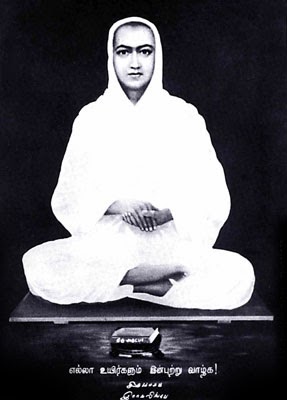
தமிழ்ச்சித்தர் மரபு
January 2, 2010 – 10:15 amசேலம் ஆர்.கே என்ற இரா.குப்புசாமி ஓரு வெள்ளிநகை வியாபாரி. ஏறத்தாழ
முப்பது வருடங்களாக வாசிப்பதையே பெரும்பகுதி வாழ்க்கையாகக்
கொண்டவர். வீட்டிலேயே மிகப்பெரிய நூலகம் வைத்திருந்தார்.
பெரும்பாலான வாசகர்கள் சமகால இலக்கியங்களையே
வாசிப்பார்கள். சமகால சிந்தனைகளை வாசிபபர்கள்.
இவற்றைப்பற்றிய பேச்சுகள் அவர்களுக்கு ஒரு
அடையாளத்தை உருவாக்கி அளிக்கும். பழைய
இலக்கியங்கள் மற்றும் சிந்தனைகளை கவனிப்பதில்லை.
ஆகவே அவர்கள் புதுமையில் மெய்மறப்பவர்களாகவும்
அசலான சிந்தனைகளை நோக்கி நகர முடியாதவர்களாகவும்
இருப்பார்கள்.
இரா.குப்புசாமி அபூர்வமான விதிவிலக்கு. மேலைச் சிந்தனை என்றால் அவர்
பிளேட்டோ முதல் தொடங்கி சீராக கென் வில்பர் வரை வந்திருப்பார்.
இலக்கியம் என்றால் கிரேக்கநாடகங்கள் முதல் ராபர்ட்டோ பொலானோ
வரை வந்திருப்பார். தமிழ்நாட்டில் இலக்கியம் தத்துவம் இரு துறைகளிலும்
எந்த ஒரு ஐயத்திற்கும் திட்டவட்டமான தகவல் சார்ந்த விளக்கம் அளிக்கும்
திராணி கொண்ட முக்கியமான சிந்தனையாளர் அவர். வியாபாரிகள் பேராசிரியர்களாக
சம்பளம் வாங்கிக்கொண்டிருக்க உண்மையான பேராசிரியர்
வியாபாரம்செய்துகொண்டிருந்தார்.
இரா.குப்புசாமி வள்ளலாரிடம் தீவிரமான ஈடுபாடு கொண்டவர். கீழைச்சிந்தனைகளை
ஆழ்ந்து கற்று தமிழ்ச்சித்தர் மரபே அதன் உச்சம் என்று தெளிந்து அந்த மரபின்
சமகால வெளிபபடு வள்ளலார் என்று நினைப்பவர். நித்ய சைதன்ய யதியிடமும்
அவருக்கு நல்லுறவு இருந்தது. தமிழ் மெய்யியல் மரபு என்ன, அதன் பல்வேறு
நுண்தளங்கள் எவை என்பதை நீண்ட உரையாடல்கள் வழியாக அவரிடம்
கேட்டறிந்திருக்கிறேன். விஷ்ணுபுரம் நாவலின் ஆக்கத்தில் இரா.குப்புசாமிக்கு
வழிகாட்டியின் பங்களிப்புண்டு, அதை முன்னுரையில் சொல்லியிருக்கிறேன்.
என்னுடைய தன்னுரை என்ற நூலை குப்புசாமி அவர்களுக்கு சமர்ப்பணம்
செய்திருக்கிறேன்.
இரா.குப்புசாமி அவர்களின் மூன்று முக்கியமான நூல்கள் இந்தவருடம்
தமிழினி வெளியீடாக வந்துள்ளன. நீட்சே, ரூஸோ இருவரைப்பற்றியும் அவர்
எழுதியிருக்கும் விமரிசனபூர்வமான இரு நூல்களும் காலூன்றி நிற்க
சொந்தமாக ஒரு சிந்தனைப்பரப்பு கொண்ட வாசகனின் மதிப்பீடுகள். தமிழின்
மரபைக்கொண்டு அவர்களை புரிந்துகொள்ளும் முயற்சிகள்.
சித்தர்மரபின் சிந்தனைகளை அடிப்படையாகக் கொண்டு தமிழ் மெய்யியல்
நோக்கில் திருக்குறளை ஆராயும் நூல் ‘அறிவுநிலைகள் பத்து’. ஒரு
பொதுவாசகனுக்கு சொற்பொருள் காண்பதில் அதீதமான நகர்வு இருக்கிறதோ
என்ற ஐயம் எழலாம். அது நியாயமே. ஆனாலும் இந்த அளவுக்குச் சாத்தியமா
என்ற பிரமிப்பை உருவாக்கும் நூல் இது. தமிழுக்கே உரிய ஞான,யோக மரபை
புரிந்துகொள்ள வழிசெய்வது
Friday, January 8, 2010
Be blessed by divine sir,
I had this doubt from quite a long time.
It has been mentioned that by undertaking the herbs like vallarai,Thoothvalai,musumus.. .we can reduce our intensity of thoughts..
Please let me know whether only unwanted -ve thoughts which are deeply imprinted in our subconscious mind are going to erased from mind or anything else is going to happen..
If so what about intellectual knowledge which we have acquired through studies.
Please provide me with as much as clarity as possible...
Awaiting for your reply ..
Shiva Kumar B M
Bangalore
Relpy
Hi,
Humans think that their happiness comes from the mind, It is wrong, it’s an illusion, its only pleasure., where ever there is pleasure , pain is bound to be there , they are two sides of the same coin. Mind is the sea in which like waves thoughts arise, sometimes, thoughts are pleasant and sometimes they are painful.
At the intellectual level one can learn to avoid painful thoughts and have pleasant thoughts only. But there are other and higher centers of consciousness; learning about them is called spiritual knowledge and divine knowledge. Entering into those regions is called YOGA, GNANA and all types of spiritual practices. Though they are very hard to attain, they are not impossible.
There are only two things in human life to learn, one is to think correctly, orderly, clearly and to the point. This is called concentrated thinking or DHARANA in yogic terminology.
The next thing to learn is to still the mind and eradicate thoughts.
Correct thinking can be learnt by learning logic, computer science and Socratic dialogues written by Plato. Going beyond thoughts and awakening the pure intelligence of the soul, the Aathman and God head are possible by practicing YOGA, MEDITATION and other spiritual disciplines. Then you will be able to control and go beyond thoughts. These higher centers of consciousness are : Intuition or the seventh degree of knowledge, insight or the eighth degree of knowledge, the capacity to enter into the kingdom of God , which is the ninth degree of knowledge.
Finally the ultimate and the tenth degree of knowledge called the mind of light is attained by constantly and singularly thinking of God only and fusing ones consciousness with the consciousness of GOD. In short there are 10 degrees of knowledge in the ladder of creation, man is at the 6th stage of thought but so far he has not fully attained even that sixth stage. He has to scale up the other four rungs of the ladder of knowledge.
Saint Ramalinga has simplified the whole process of attaining super consciousness in a single act of love and compassion, by p[practicing compassion towards all beings and by devotion to the Lord Arutperum Jothi inside the spirit of one’s self at the center of one’s head called 'Chit Sabha'. One can attain it easily, its a short cut and a straight forward one because love is not a thought, it is not an emotion as we wrongly think. It is ultimate knowledge and wisdom, it is also the power of God himself with which He is creating and sustaining the universe. The number of beings human, animal or plant or otherwise, you are capable of loving with your whole being as your own self. You are going up in the ladder of super consciousness.
Love is the embodiment of higher knowledge; compassion is the human counter part of divine grace. Swami Vallalar in his mahopadesa says that it was only total compassion towards all beings that transformed his consciousness as well as his body into those of divine light.
All these things have been already explained in ever so many letters and lectures. So humbly request you to go through my CDs and books. We can talk about higher things in Sutha Sanmarga for all these are basics.
Particularly I want you to read my book in tamil called " அறிவு நிலைகள் பத்து " [ ten degrees of knowledge], published by "Tamizhini Publishes", 67, Peters Road, Royapettha, Chennai - 600 014. Phone : 98841 96552.
For any question and queries , please call me on 91 98427 51510
Thanks
R.Kuppusamy
At the intellectual level one can learn to avoid painful thoughts and have pleasant thoughts only. But there are other and higher centers of consciousness; learning about them is called spiritual knowledge and divine knowledge. Entering into those regions is called YOGA, GNANA and all types of spiritual practices. Though they are very hard to attain, they are not impossible.
There are only two things in human life to learn, one is to think correctly, orderly, clearly and to the point. This is called concentrated thinking or DHARANA in yogic terminology.
The next thing to learn is to still the mind and eradicate thoughts.
Correct thinking can be learnt by learning logic, computer science and Socratic dialogues written by Plato. Going beyond thoughts and awakening the pure intelligence of the soul, the Aathman and God head are possible by practicing YOGA, MEDITATION and other spiritual disciplines. Then you will be able to control and go beyond thoughts. These higher centers of consciousness are : Intuition or the seventh degree of knowledge, insight or the eighth degree of knowledge, the capacity to enter into the kingdom of God , which is the ninth degree of knowledge.
Finally the ultimate and the tenth degree of knowledge called the mind of light is attained by constantly and singularly thinking of God only and fusing ones consciousness with the consciousness of GOD. In short there are 10 degrees of knowledge in the ladder of creation, man is at the 6th stage of thought but so far he has not fully attained even that sixth stage. He has to scale up the other four rungs of the ladder of knowledge.
Saint Ramalinga has simplified the whole process of attaining super consciousness in a single act of love and compassion, by p[practicing compassion towards all beings and by devotion to the Lord Arutperum Jothi inside the spirit of one’s self at the center of one’s head called 'Chit Sabha'. One can attain it easily, its a short cut and a straight forward one because love is not a thought, it is not an emotion as we wrongly think. It is ultimate knowledge and wisdom, it is also the power of God himself with which He is creating and sustaining the universe. The number of beings human, animal or plant or otherwise, you are capable of loving with your whole being as your own self. You are going up in the ladder of super consciousness.
Love is the embodiment of higher knowledge; compassion is the human counter part of divine grace. Swami Vallalar in his mahopadesa says that it was only total compassion towards all beings that transformed his consciousness as well as his body into those of divine light.
All these things have been already explained in ever so many letters and lectures. So humbly request you to go through my CDs and books. We can talk about higher things in Sutha Sanmarga for all these are basics.
Particularly I want you to read my book in tamil called " அறிவு நிலைகள் பத்து " [ ten degrees of knowledge], published by "Tamizhini Publishes", 67, Peters Road, Royapettha, Chennai - 600 014. Phone : 98841 96552.
For any question and queries , please call me on 91 98427 51510
Thanks
R.Kuppusamy
Sunday, December 27, 2009
ஞான யோக பயிற்சிகள்
Download ஞான யோக பயிற்சிகள் < - Click here
For doubts and queries call : [+91] 98427 51510 / 9943045023
Download ஞான யோக பயிற்சிகள் < - Click here
For doubts and queries call : [+91] 98427 51510 / 9943045023
Friday, December 11, 2009
Saturday, October 10, 2009

As a sudha sanmargi I take as the final authority, Vallalar and his arutpa. In arutpa Vallalar says, 1. கையறவு இல்லாத நடுக்கண் புருவப் பூட்டு. What does he mean by 'Nadukun' ?
2. எவ்வித தந்திரத்திலாவது நெற்றிக்கண்ணை திறந்துகொள்க , he says in another place. what is meant by 'Netrikkan'?
3. திருநிலை தனி வெளி சிவ வெளி எனும் ஓர்
அருள் வெளி பதிவளர் அருட்பெரும் ஜோதி . says Vallalar in the Agaval.
He begins the Agaval with A and continues with the poem in the alphabetical order. After twelve vowels when he comes to the thirteenth letter which is "ak", he means ... 

4. நெற்றிக்கு நடுவே புருவத்து இடைவெளியில்
உற்று உற்று பார்க்க ஒளிவிடும் மந்திரம்
பற்றுக்கு பற்றாய் பரமன் இருந்த இடம்
சிற்றம்பலம் என்று தேர்ந்து கொண்டேனே
- திருமந்திரம்
5. நடுநாடி நடுநாடி நடராஜர் நடமாடும் பதியே , meaning the central column at the top of which is your third eye - not to the left or to the right.
6. திரையோதசத்தே திகழ்கின்ற என்றே , meaning 'Oh sun resplendent in the thirteenth position.' Here once again Vallalar denotes 'ak' only.
So the third eye of Shiva is clearly denoted by Vallalar and Thirumoolar. We need not get confused.
There are 2 stages to locate this place of the third eye exactly.
Stage 1 : Focus your eyes on the third eye region in the center of your forehead for some months. Then you will have a sensation there always. Once this sensation is established you can go to the next stage.
Stage 2 : Below the crown and above the roof of your mouth exactly at the center of your head is 'Sithsabha' or 'Chitrambalam' or 'Chidhambaram'. Now imagine piercing a lance through the center of your forehead horizontally. At the same time force your breath above the roof of your mouth vertically. These two lines will intersect at a point. That point is 'Chitrambalam', that is where your life spirit is in the form of a light. You have to consciously enter into this 'Chithsabha'. This is the yoga of Suddhsanmarha.
பொற்சபையில் சிற்சபையில் புகும் தருணம் இதுவே
A Siddha clarifies this point in a verse :
உச்சிக்கு கீழே உள்நாவுக்கு மேலே
வச்ச விளக்கு எரியுதடீ .....
One can go on giving innumerable proofs and evidences for the truth of the place of the third eye from Arutpa, Thirumandhiram and the Siddha literature.
- R.Kuppusamy
mobile : [0091] 98427 51510
mail id : r.kuppusamy@gmail.com
- R.Kuppusamy
mobile : [0091] 98427 51510
mail id : r.kuppusamy@gmail.com
Thursday, September 10, 2009
Vasi yogam, is the advanced type of pranayama. It is not breathing through the nostrills. It is a form of inner breathing. By this method your breath is at the initial stages hitting the pineal gland and activating it. At present the pineal gland is secreating seratonin, it has got 2 functions, it will make you go to sleep, it will give you the sense of place and time.
Both these senses are essential for worldly activities. But the same advantages become disadvantages in the inner practice of yoga and meditation. The conquest of sleep and the limitations of time and space is called spirituality. So when you are practising vasi yoga, slowly the secretion of the seratonin will dwindle and melatonin will start secreting then you will easily enter into the inner domain of meditation. The yoga literature of the world have gone only so far, but vallalar says there is one more stage then your spirit will start secreting nectar or amrita by imbibing this nectar, the physical body will be transformed into a pure body or sutha deha.
But these are the effects of vasi yoga. As for the process of doing it, it should be learnt directly from a teacher who has already learnt it. Because it cannot be taught online.
This is a dangerous practice. Instead of going through the 8 limbs of pathanjali yoga, the siddhas have devised a short cut to attaining samathi, the last stage of yoga.
If you do it in the wrong way, you might have breathing trouble. you might even have headache and other side effects.More over your consciousness could get locked in. That is why this is not taught online or by book.
So please don't mistake me. If you could come in person I will teach you.
There is no bar, provided you are a vegetarian. For 1 year you should not have taken any kind of non-vegitarian food including eggs. If this condition is fullfilled anyone could learn vasi yoga.
Otherwise the curse of the siddhas will be upon my head., I believe you would not like it.
Vasi yoga is the most advanced type of pranayama. At the final stage your external breath would be suspended and the inner breath will be initiated by the Lord, says swami Ramalinga Vallalar.
" வாசி நடத்தி தருவாண்டி - ஒரு
வாசியிலே இங்கு வருவாண்டி "
Please listen to my speeches on CDs about vasi yoga.
- R.Kuppusamy
mobile : [0091] 98427 51510
mail id : r.kuppusamy@gmail.com
Both these senses are essential for worldly activities. But the same advantages become disadvantages in the inner practice of yoga and meditation. The conquest of sleep and the limitations of time and space is called spirituality. So when you are practising vasi yoga, slowly the secretion of the seratonin will dwindle and melatonin will start secreting then you will easily enter into the inner domain of meditation. The yoga literature of the world have gone only so far, but vallalar says there is one more stage then your spirit will start secreting nectar or amrita by imbibing this nectar, the physical body will be transformed into a pure body or sutha deha.
But these are the effects of vasi yoga. As for the process of doing it, it should be learnt directly from a teacher who has already learnt it. Because it cannot be taught online.
This is a dangerous practice. Instead of going through the 8 limbs of pathanjali yoga, the siddhas have devised a short cut to attaining samathi, the last stage of yoga.
If you do it in the wrong way, you might have breathing trouble. you might even have headache and other side effects.More over your consciousness could get locked in. That is why this is not taught online or by book.
So please don't mistake me. If you could come in person I will teach you.
There is no bar, provided you are a vegetarian. For 1 year you should not have taken any kind of non-vegitarian food including eggs. If this condition is fullfilled anyone could learn vasi yoga.
Otherwise the curse of the siddhas will be upon my head., I believe you would not like it.
Vasi yoga is the most advanced type of pranayama. At the final stage your external breath would be suspended and the inner breath will be initiated by the Lord, says swami Ramalinga Vallalar.
" வாசி நடத்தி தருவாண்டி - ஒரு
வாசியிலே இங்கு வருவாண்டி "
Please listen to my speeches on CDs about vasi yoga.
- R.Kuppusamy
mobile : [0091] 98427 51510
mail id : r.kuppusamy@gmail.com
Charu Nivedita to me
show details Aug 24
dear mr kuppusamy
how are you. hope you remember me. i am charu nivedita.
now i have a doubt in patanjali's yoga chutra. in pada one (samadhi pada) in the last sloka, he says tasyapi nirodhe sarvanirodhan nirbija samadhi.
then in the second pada (sadhana pada) he talks about ashtanga yoga. 8 limbs. in the eight limbs, samadhi comes as the eighth one. the ultimate state. what is the difference between these two?
would you please explain to me.
my mobile 94444 76507
regards and lov
charu
Answer...
Dear Mr,Charu
I am glad to hear from you.
Patanjali's ashtanga yoga has 8 limbs:
1.yama,
2.niyama.
3.asana.
4.pranayama,
5.pratyahara,
6.dharana,
7.dhyana ,and
8.samadhi.
Samadhi is the general term.In samadhi there are many types.The last one is called nirbijasamadhi.Bija means seed.Nirbija means seedless.Only in this type of samadhi seeds or vasanas are totally destroyed.Only in this samadhi, a yogi goes beyond the boundary of prakriti and enters for the first time into the region of the Purusha.
Thanking you,
Love
- R.Kuppusamy
mobile : [0091] 98427 51510
mail id : r.kuppusamy@gmail.com
show details Aug 24
dear mr kuppusamy
how are you. hope you remember me. i am charu nivedita.
now i have a doubt in patanjali's yoga chutra. in pada one (samadhi pada) in the last sloka, he says tasyapi nirodhe sarvanirodhan nirbija samadhi.
then in the second pada (sadhana pada) he talks about ashtanga yoga. 8 limbs. in the eight limbs, samadhi comes as the eighth one. the ultimate state. what is the difference between these two?
would you please explain to me.
my mobile 94444 76507
regards and lov
charu
Answer...
Dear Mr,Charu
I am glad to hear from you.
Patanjali's ashtanga yoga has 8 limbs:
1.yama,
2.niyama.
3.asana.
4.pranayama,
5.pratyahara,
6.dharana,
7.dhyana ,and
8.samadhi.
Samadhi is the general term.In samadhi there are many types.The last one is called nirbijasamadhi.Bija means seed.Nirbija means seedless.Only in this type of samadhi seeds or vasanas are totally destroyed.Only in this samadhi, a yogi goes beyond the boundary of prakriti and enters for the first time into the region of the Purusha.
Thanking you,
Love
- R.Kuppusamy
mobile : [0091] 98427 51510
mail id : r.kuppusamy@gmail.com
Friday, July 31, 2009
Question by Ram : What is 8 and 2?
Dear Ram,
In Tamil, 8 is denoted by அ. 2 is denoted by உ . When both are combined it becomes ஒ . God is denoted by the letter அகரம் . Jeeva is denoted by உகரம். When joined together we get ஓம்காரம். That is what we find in the form of shivalingam in a temple of Lord Shiva. Swami Ramalingam says, you don't understand the fund of knowledge symbolized by Shivalinga. You simply watch and gloat over its ornamentation during festival times. When you understand the real significance you will attain the divine feet of the Lord.
Please refer to the Arutpa :
கட்டோடே கனதொடே ....
In saiva siddhanta we have a saying :
இலிங்கம் என்பது எட்டிரண்டே .
Love and Blessings
- R.Kuppusamy
mobile : [0091] 98427 51510
mail id : r.kuppusamy@gmail.com
Dear Ram,
In Tamil, 8 is denoted by அ. 2 is denoted by உ . When both are combined it becomes ஒ . God is denoted by the letter அகரம் . Jeeva is denoted by உகரம். When joined together we get ஓம்காரம். That is what we find in the form of shivalingam in a temple of Lord Shiva. Swami Ramalingam says, you don't understand the fund of knowledge symbolized by Shivalinga. You simply watch and gloat over its ornamentation during festival times. When you understand the real significance you will attain the divine feet of the Lord.
Please refer to the Arutpa :
கட்டோடே கனதொடே ....
In saiva siddhanta we have a saying :
இலிங்கம் என்பது எட்டிரண்டே .
Love and Blessings
- R.Kuppusamy
mobile : [0091] 98427 51510
mail id : r.kuppusamy@gmail.com
Saturday, June 20, 2009
Gnana means knowledge, and knowledge is of three kinds
1. Paasa Gnana or Knowledge of the world, made of five elements or scientific knowledge.
2. Pasu Gnana or Knowledge of the soul or knowledge of philosophy.
3. Pathi Gnana or Knowledge of Godhead or knowledge of absolute consciousness.
Scientific knowledge of the world of five elements as well as of the human body can be learnt by using our five senses and the faculty of mind.
Knowledge of the soul cannot be attained by senses or mind. It can be attained only by the soul it is called self-realization. It can be done only by activating the sleeping soul. This can be done only by going beyond the mind by some kind of Yoga or Sath Vichara known as self-inquiry.
Knowledge of God cannot be attained by human effort. Atleast this is the point of you expressed by saivism, saiva siddhantha philosophy as well as suddha sanmaarga of Vallalar. But the Godless, athestic religions such as buddhism, Jainism etc., claim it can be known by human effort.
'அவன் அருளாலே அவன் தாள் வணங்கி '. Only by God's grace one can attain His devine feet says saint Maanika vasagar.
Knowledge of God or Brahma Gnana is variously described by various religious leaders. Thiruvalluvar gives God eight attributes. He calls Him engunathaan [எண்குணத்தான்]. God is every where. God is omnicient. God is Omnipotent. God has a pure body. God is basically stainless of any mala or error. God is the creator, sustainer and destroyer of all things and all beings. God is divide of likes and dislikes. God is always blissful. God has got absolute consciousness and in One place Vallalar says God is all good things, all blissful things and all things of knowledge.
In short man is endowed with relative knowledge. God is endowed with absolute knowledge.
Mans mind is divided into 3 facuties,
Itcha or desire.
Kria or will.
Gnana or Knowledge.
But in God these three faculties are always fused together and act simultaneously. There is no intervel of time between them for God is beyond division, beyond time and beyond place.
Brahma Gnana according to Vallalar is absolute knowledge born of total compassion of God towards all beings irrespective of any division of creed / caste / religion / language / nationality or even form.
- R.Kuppusamy
mobile : [0091] 98427 51510
mail id : r.kuppusamy@gmail.com
1. Paasa Gnana or Knowledge of the world, made of five elements or scientific knowledge.
2. Pasu Gnana or Knowledge of the soul or knowledge of philosophy.
3. Pathi Gnana or Knowledge of Godhead or knowledge of absolute consciousness.
Scientific knowledge of the world of five elements as well as of the human body can be learnt by using our five senses and the faculty of mind.
Knowledge of the soul cannot be attained by senses or mind. It can be attained only by the soul it is called self-realization. It can be done only by activating the sleeping soul. This can be done only by going beyond the mind by some kind of Yoga or Sath Vichara known as self-inquiry.
Knowledge of God cannot be attained by human effort. Atleast this is the point of you expressed by saivism, saiva siddhantha philosophy as well as suddha sanmaarga of Vallalar. But the Godless, athestic religions such as buddhism, Jainism etc., claim it can be known by human effort.
'அவன் அருளாலே அவன் தாள் வணங்கி '. Only by God's grace one can attain His devine feet says saint Maanika vasagar.
Knowledge of God or Brahma Gnana is variously described by various religious leaders. Thiruvalluvar gives God eight attributes. He calls Him engunathaan [எண்குணத்தான்]. God is every where. God is omnicient. God is Omnipotent. God has a pure body. God is basically stainless of any mala or error. God is the creator, sustainer and destroyer of all things and all beings. God is divide of likes and dislikes. God is always blissful. God has got absolute consciousness and in One place Vallalar says God is all good things, all blissful things and all things of knowledge.
In short man is endowed with relative knowledge. God is endowed with absolute knowledge.
Mans mind is divided into 3 facuties,
Itcha or desire.
Kria or will.
Gnana or Knowledge.
But in God these three faculties are always fused together and act simultaneously. There is no intervel of time between them for God is beyond division, beyond time and beyond place.
Brahma Gnana according to Vallalar is absolute knowledge born of total compassion of God towards all beings irrespective of any division of creed / caste / religion / language / nationality or even form.
- R.Kuppusamy
mobile : [0091] 98427 51510
mail id : r.kuppusamy@gmail.com
பாச வைராக்யம் என்ட்ரால் என்ன?
Paasam means bondage, Bondage to what? Bondage to the world and worldliness. As long as one is interested in the world and worldliness he cannot be interested in his spirit or God. So one has to detach oneself from worldly things. This attitude of detachment is called 'Vairagya'. In tamil it is called Patru aruthal [பற்று அறுதல்] .
The great sage Thiruvalluvar says 'In order to get away from worldly things one has to catch hold of the devine feet of God.
[பற்றுக பற்று அற்றான் பற்றினை அப்பற்றை
பற்றுக பற்று விடற்கு ]
Worshipping the Lords feet is the way to salvation'.
The moment one is totally devoid of any interest in the world or its things one attains moktsha or salvation, says the Vaishnava saint Namaalvaar.
அற்றது பற்று எனில்
உற்றது வீடு
The state of detachment is normally explained by a simile.
One should live in the world like a leaf of lotus. Though it is always immersed in the water it is not stained by the water. In the same way though one lives in the world and experiences worldly things one should not be merged with them. One should always remember that he is not an innorganic, inert matter like them but a living soul, a spark of divinity. Always with this act of self-remembering one should do all his duties in the world.
Originally according to saiva siddhantha man was like a small atom in a dark room and that atom was not aware of its own condition of darkness, forgetting that he was a being of light, a spiritual being. Then God took pity upon him and he wanted to instruct him that he was a spiritual being.
How did he do it ? God's act of grace was done in 3 stages.
First, He gave the soul a small light of energy called 'Kalai'.
Kalai maeas 'Kria Shakthi' or the energy to perform an act.
Next God gave him another small light of 'Vidhya Shakthi' Vidhya means knowledge.
With that light of knowledge, the soul was able to see something that is, it understood it own condition.
Next God gave the soul, one more energy called 'Aragham' meaning 'Itcha Shakthi' or the power of desire.
Finally God created the outside world and gave this soul a body, a mind and the faculty of enjoying the world with them. Gods intention was to activate man's soul and by making him see the action he would understand his real condition, He thought.
This can be explained by another illustration. It is like washing a dirty linen with soap. Soap is also made up of dirty oil. With one dirt another dirt is removed. With one thorn you remove the thorn in your foot and throw away both of them. In the same way the stain in the attma which was called Aanava malaa must be removed by the blissful experience of the souls interaction with the world. The world and the human body were created by the maya shakthi of God. So Maya shakthi was originally an act of grace by God.
This interaction of the soul with the world is called Karma or action. Unfortunately the soul forgot to remember God's intention of its purification and instead got deeper and deeper into hte dirt of worldiness.
When one eats a sweet one tastes sweetness, it gives him happiness, but that happiness is short lived and also sometimes turns into unhappiness. This is a pointer to everlasting bliss that can be given only be God. Forgetting this higher form of happiness the soul like a buffalo enters into the dirty pond of worldiness and is satisfied with the worldly happiness. Here is born good and bad, Good karma could purify its soul to some extent but it is also bondage. Bad karma is adding to the already existing dirt. So the only remedy for this is to be totally detached from worldly things and be interested only in the self-actualization or atma siddhi and God realization or attainment of Godhead. This is done in various forms of Yoga. But the ultimate aim is to get away from worldly happiness and attain the bliss of aatman and God.
Paasam means bondage, Bondage to what? Bondage to the world and worldliness. As long as one is interested in the world and worldliness he cannot be interested in his spirit or God. So one has to detach oneself from worldly things. This attitude of detachment is called 'Vairagya'. In tamil it is called Patru aruthal [பற்று அறுதல்] .
The great sage Thiruvalluvar says 'In order to get away from worldly things one has to catch hold of the devine feet of God.
[பற்றுக பற்று அற்றான் பற்றினை அப்பற்றை
பற்றுக பற்று விடற்கு ]
Worshipping the Lords feet is the way to salvation'.
The moment one is totally devoid of any interest in the world or its things one attains moktsha or salvation, says the Vaishnava saint Namaalvaar.
அற்றது பற்று எனில்
உற்றது வீடு
The state of detachment is normally explained by a simile.
One should live in the world like a leaf of lotus. Though it is always immersed in the water it is not stained by the water. In the same way though one lives in the world and experiences worldly things one should not be merged with them. One should always remember that he is not an innorganic, inert matter like them but a living soul, a spark of divinity. Always with this act of self-remembering one should do all his duties in the world.
Originally according to saiva siddhantha man was like a small atom in a dark room and that atom was not aware of its own condition of darkness, forgetting that he was a being of light, a spiritual being. Then God took pity upon him and he wanted to instruct him that he was a spiritual being.
How did he do it ? God's act of grace was done in 3 stages.
First, He gave the soul a small light of energy called 'Kalai'.
Kalai maeas 'Kria Shakthi' or the energy to perform an act.
Next God gave him another small light of 'Vidhya Shakthi' Vidhya means knowledge.
With that light of knowledge, the soul was able to see something that is, it understood it own condition.
Next God gave the soul, one more energy called 'Aragham' meaning 'Itcha Shakthi' or the power of desire.
Finally God created the outside world and gave this soul a body, a mind and the faculty of enjoying the world with them. Gods intention was to activate man's soul and by making him see the action he would understand his real condition, He thought.
This can be explained by another illustration. It is like washing a dirty linen with soap. Soap is also made up of dirty oil. With one dirt another dirt is removed. With one thorn you remove the thorn in your foot and throw away both of them. In the same way the stain in the attma which was called Aanava malaa must be removed by the blissful experience of the souls interaction with the world. The world and the human body were created by the maya shakthi of God. So Maya shakthi was originally an act of grace by God.
This interaction of the soul with the world is called Karma or action. Unfortunately the soul forgot to remember God's intention of its purification and instead got deeper and deeper into hte dirt of worldiness.
When one eats a sweet one tastes sweetness, it gives him happiness, but that happiness is short lived and also sometimes turns into unhappiness. This is a pointer to everlasting bliss that can be given only be God. Forgetting this higher form of happiness the soul like a buffalo enters into the dirty pond of worldiness and is satisfied with the worldly happiness. Here is born good and bad, Good karma could purify its soul to some extent but it is also bondage. Bad karma is adding to the already existing dirt. So the only remedy for this is to be totally detached from worldly things and be interested only in the self-actualization or atma siddhi and God realization or attainment of Godhead. This is done in various forms of Yoga. But the ultimate aim is to get away from worldly happiness and attain the bliss of aatman and God.
Saturday, June 13, 2009
Friday, June 5, 2009
Question :
சுத்த சன்மார்க்க மரபு , லட்ஷியத்தை பார்த்தோம்.
இந்த சுத்த சன்மார்க்க லட்ஷியத்தை அடைய "சுத்த சன்மார்க்க சாதனம்" எது என வள்ளலார் கூறுகிறார்?
Answer :
R.Kuppusamy.
சுத்த சன்மார்க்க மரபு , லட்ஷியத்தை பார்த்தோம்.
இந்த சுத்த சன்மார்க்க லட்ஷியத்தை அடைய "சுத்த சன்மார்க்க சாதனம்" எது என வள்ளலார் கூறுகிறார்?
Answer :
The sadhana or yoga of suddha sanmarga is twofold:paropakaram or compassionate behavior towards other beings and sath vichara or spiritual enquiry. Spiritual enquiry covers a lot of ground such as devotion towards god, self enquiry, meditation on the agna chakra, vasi yoga at agna chakra, kalpa system of food, transferring activities and functions of the body below the neck or pinda to the head or anda and having vision of Arutperumjothi at the centre of the head and bringing it forward throughout the body and transforming all the three billion cells of the body into cells of wisdom-light. It is a vast science of transmutation and transformation of the physical body into a pure body then into a letter-body and then finally into a divine body of wisdom-light. What evolutionary force did in the course of 3.5 billion years, man is expected to perform in a single life time. Burnt out trees are turned into carbon which in turn is turned into diamond under the earth in millions of years by enormous amounts of pressure and heat. The process is duplicated in the laboratory in a few seconds. In the same way the transformation of the physical body into a light body can also be accomplished by giving it enormous amounts of pure heat generated by love and compassion towards all beings and devotion to god at the chit sabha or the life spirit of man. Those who want more details are requested to listen to my lectures on sanmarga.
Love and blessings,R.Kuppusamy.
Saturday, May 23, 2009
Question by Dr.Vinayaga moorthy
IS THERE ONLY ONE SIVAM?
Answer
Dear Sir,
Can there be any doubt about the number of the ultimate Being?
Mahayogi Thirumoolar says 'Ondrae Kulamum, Oruvanae Devanum', Saint Patinathaar says ' Ondrendru iru. Deivam undenru iru.' Vallalar confirms it 'Oru uldalil er uyir enalaamo?' In one body there can be only one spirit. In the same way in the cosmic body also there can be one ultimate spirit.
The doubt arises because of the claiming of various religions that their own brand of God is the supreme. How to solve this problem? As usual it was Vallalar who solved it for me. Vallalar says 'Chith sabaiyil vilanguginra deivam Athe deivam', which means the living God inside the agna chakra, i.e., One's own soul or 'Jeevan' is the temple of Chithambaram inside which the living Lord of Arutperum Jothi is eternally dancing. As long as one tries to see God in temples outside this doubt will linger in the mind.
Long before Saint Manika Vasagar announced the same truth in his immortal words.. ' Thenaadu udaya Sivane Pootri, En naattavarkum iraivaa potri'. At the surface level the meaning of this dictum could be questioned by a christian or musalman. But the real meaning is an eternal truth. 'Thennaadu' does not mean South India or Chithambaram, a geographical location found on the map. What he means by thennadu is the Agna Chakra inside which is the jeevan which is the real temple of Chidhambaram.
Chidh - means life, living spirit.
ambaram - means Sky or temple.
This can be verified by the sacrad verses of vallalar: ' Uyirellam Podhu [All souls are the dancing platform of God. And "Uyirellaam oru nee thiru nadam puriyum thirupodhu ena therintheen" - meaning I discovered that, all souls are a platform on which the only God's eternal dance is being performed. ]
Thiru moolar says 'Seevan yena Sivan yena verillai' meaning there is no difference between Seevan or Jeeva and Siva. There is no difference between 'Pasu' or soul and 'Pathi' or God provided the soul is purified of the malas, anava, kanma and maya.
Saint Aunagiri naarthar says there is but one task for man to do in this life : To pass the test of overcoming the illusory notion that man is not God potentially. 'Seevan Sivan ena theree'.
According to the Saivagamas and saivasidhantha tradition there are four steps to God :
1. Sariyai or doing service at temples
2. Kiriyai or performing poojas at temples or at home
[Both are done outside the body]
3. Yoga or trying to see God in ones own body.
4. Gnana or attaining God in ones body.
[The later two are attained inside the body.]
Every disciple or aspirant is expected to move on from the first step to the last because unless one achieves Gnana one can never see God : 'Gnaname Moksha Dhwara'. Only through the door of Gnana or wisdom one can enter into the land of Salvation.
All these things are clearly said in the Saivite Shasthras as well as in vallalars arutpa. Even in the Bible, Jesus says, "The kingdom of God is within you". Only it falls short of identifying the place which is the spirit.
Thanking you
Love and Blessing
R. Kuppusamy
IS THERE ONLY ONE SIVAM?
Answer
Dear Sir,
Can there be any doubt about the number of the ultimate Being?
Mahayogi Thirumoolar says 'Ondrae Kulamum, Oruvanae Devanum', Saint Patinathaar says ' Ondrendru iru. Deivam undenru iru.' Vallalar confirms it 'Oru uldalil er uyir enalaamo?' In one body there can be only one spirit. In the same way in the cosmic body also there can be one ultimate spirit.
The doubt arises because of the claiming of various religions that their own brand of God is the supreme. How to solve this problem? As usual it was Vallalar who solved it for me. Vallalar says 'Chith sabaiyil vilanguginra deivam Athe deivam', which means the living God inside the agna chakra, i.e., One's own soul or 'Jeevan' is the temple of Chithambaram inside which the living Lord of Arutperum Jothi is eternally dancing. As long as one tries to see God in temples outside this doubt will linger in the mind.
Long before Saint Manika Vasagar announced the same truth in his immortal words.. ' Thenaadu udaya Sivane Pootri, En naattavarkum iraivaa potri'. At the surface level the meaning of this dictum could be questioned by a christian or musalman. But the real meaning is an eternal truth. 'Thennaadu' does not mean South India or Chithambaram, a geographical location found on the map. What he means by thennadu is the Agna Chakra inside which is the jeevan which is the real temple of Chidhambaram.
Chidh - means life, living spirit.
ambaram - means Sky or temple.
This can be verified by the sacrad verses of vallalar: ' Uyirellam Podhu [All souls are the dancing platform of God. And "Uyirellaam oru nee thiru nadam puriyum thirupodhu ena therintheen" - meaning I discovered that, all souls are a platform on which the only God's eternal dance is being performed. ]
Thiru moolar says 'Seevan yena Sivan yena verillai' meaning there is no difference between Seevan or Jeeva and Siva. There is no difference between 'Pasu' or soul and 'Pathi' or God provided the soul is purified of the malas, anava, kanma and maya.
Saint Aunagiri naarthar says there is but one task for man to do in this life : To pass the test of overcoming the illusory notion that man is not God potentially. 'Seevan Sivan ena theree'.
According to the Saivagamas and saivasidhantha tradition there are four steps to God :
1. Sariyai or doing service at temples
2. Kiriyai or performing poojas at temples or at home
[Both are done outside the body]
3. Yoga or trying to see God in ones own body.
4. Gnana or attaining God in ones body.
[The later two are attained inside the body.]
Every disciple or aspirant is expected to move on from the first step to the last because unless one achieves Gnana one can never see God : 'Gnaname Moksha Dhwara'. Only through the door of Gnana or wisdom one can enter into the land of Salvation.
All these things are clearly said in the Saivite Shasthras as well as in vallalars arutpa. Even in the Bible, Jesus says, "The kingdom of God is within you". Only it falls short of identifying the place which is the spirit.
Thanking you
Love and Blessing
R. Kuppusamy
Subscribe to:
Posts (Atom)


Most Read Articles